

Most people assume that staying inside is the escape from summer allergies. Close the windows, run the AC, avoid the pollen — problem solved.
If only it were that simple.
The reality for a lot of Fortville families is that indoor air during summer can be just as hard on allergy sufferers as the outdoors — sometimes more so. Pollen comes in on clothing, shoes, and pets. Dust mites thrive in the warm, humid conditions that Indiana summers create. Mold finds every damp surface it can. And if the home hasn't had a thorough allergen cleaning in a while, all of that has been quietly accumulating in the carpets, on the furniture, in the ductwork, and on surfaces throughout the house.
Summer allergies don't stay outside. They follow you in. And if your Fortville home isn't set up to minimize indoor triggers, it can turn what should be a comfortable retreat into another source of sneezing, congestion, itchy eyes, and that general miserable feeling that allergy sufferers know all too well.
The good news is that indoor air quality is something you can actually control — more than you can control what's happening outside. Here's how to think about it and what actually makes a difference.
Indiana has a legitimate reputation as one of the harder states for allergy sufferers, and summer is a significant part of why.
Grass pollen peaks in late spring and early summer and remains a major trigger through June and into July. Weed pollens — including ragweed, one of the most potent allergy triggers in the country — start building in August and can affect people weeks before they realize the season has shifted. Mold spores, which thrive in warm and humid conditions, are elevated throughout the summer months in Indiana because the weather creates ideal conditions for outdoor mold growth.
On top of the outdoor burden, summer in Fortville means humidity. And humidity inside a home — even a well air-conditioned one — creates conditions where dust mites multiply faster and mold finds opportunities in bathrooms, basements, and anywhere else moisture collects. Dust mites are one of the most significant indoor allergen sources, and they're directly responsive to humidity levels. A home that stays humid through the summer is a home where dust mite populations are much higher than they'd be in drier conditions.
Put all of that together and you have a situation where allergy sufferers are dealing with elevated outdoor triggers and elevated indoor triggers at the same time. Managing the indoor environment well doesn't eliminate the outdoor problem, but it meaningfully reduces total allergen exposure — which is often the difference between symptoms that are manageable and symptoms that aren't.
Understanding where allergens accumulate is the starting point for doing something about them. In most Fortville homes, there are a handful of areas that carry the heaviest allergen load.
Carpets and rugs are the single biggest reservoir of indoor allergens in most homes. They trap dust, pollen, pet dander, dust mite waste, and mold spores in their fibers, and regular foot traffic kicks these particles back into the air where they can be inhaled. Vacuuming helps, but standard vacuum cleaners without HEPA filtration can actually make things worse by exhausting fine particles back into the room. Carpets in bedrooms are particularly significant because people spend six to eight hours breathing the air in that room every night.
Upholstered furniture — sofas, chairs, ottomans — holds onto allergens in the same way carpets do. People sit on these surfaces, pets sleep on them, and they accumulate dust and dander continuously. The cushions and the fabric itself harbor allergens that aren't removed by surface cleaning alone.
Bedding is one of the most important allergen sources to manage, and one that people often underestimate. Dust mites live in mattresses, pillows, and bedding — they feed on dead skin cells, and a warm, slightly humid bedroom environment suits them perfectly. Unwashed bedding that's been on the bed for a couple of weeks in an Indiana summer can harbor significant dust mite populations.
Curtains and blinds collect settled dust and pollen continuously. Heavy fabric curtains in particular can hold a surprising amount of allergen material that gets disturbed every time they're opened or closed. Window treatments near frequently opened windows are especially significant because pollen blows in and settles directly on them.
HVAC vents, returns, and ductwork distribute allergens throughout the entire home every time the system runs. A dirty filter or dusty vents mean that whatever has accumulated in the system gets circulated through every room. During summer when the AC runs constantly, this is a significant and continuous source of allergen exposure.
Bathrooms and any area with moisture potential — laundry rooms, basements, under-sink cabinets — are where mold allergens develop. Even small amounts of mold growth in a bathroom can contribute meaningfully to indoor allergen levels, particularly for people with mold sensitivities.
Pet areas — wherever your dog or cat sleeps, eats, or spends time — concentrate pet dander in ways that spread throughout the home. Pet allergens are lightweight and stay airborne for a long time, meaning they migrate far beyond where the pet actually spends time.
There's a difference between cleaning that makes your home look clean and cleaning that actually reduces the allergen burden in the air and on surfaces. For allergy sufferers in Fortville, the distinction matters.
Vacuuming more frequently is one of the highest-impact changes most households can make. During summer allergy season, carpets and rugs in main living areas and bedrooms should be vacuumed at minimum two to three times per week — daily in rooms occupied by allergy sufferers. The equipment matters too. A vacuum with a sealed HEPA filter captures fine particles that standard vacuums recirculate. If your vacuum is older and doesn't have HEPA filtration, it may be worth upgrading during allergy season.
Washing bedding weekly in hot water — 130 degrees or above — kills dust mites and removes the allergen-containing waste they leave behind. This applies to sheets, pillowcases, and duvet covers. Pillows and mattress covers should be washed or replaced regularly. Mattress encasements and pillow encasements designed to block dust mites are one of the most effective long-term investments allergy sufferers can make, because they create a physical barrier between the person sleeping and the dust mite population in the mattress.
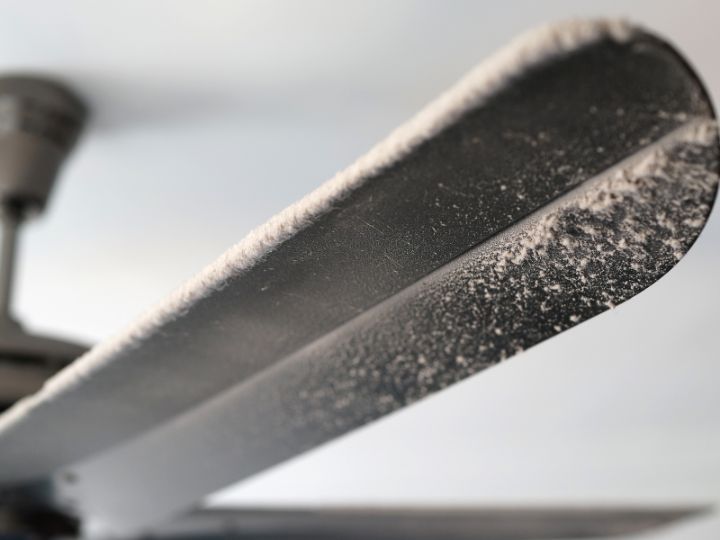
Dusting with a damp cloth or microfiber rather than a dry cloth makes a meaningful difference. Dry dusting displaces particles into the air where they stay suspended before settling somewhere else. Damp or microfiber cleaning captures particles rather than redistributing them. Hard surfaces throughout the home — shelves, furniture tops, baseboards, ceiling fans, light fixtures, windowsills — should be dusted this way regularly rather than left until they're visibly dusty.
Hard floors are significantly better for allergen control than carpets, and for households with serious allergy sufferers, hard floors in the bedroom in particular can make a substantial difference. For homes with carpet that isn't being replaced, damp mopping after vacuuming hard floor areas prevents fine particles from being kicked back up during cleaning.
Washing curtains and cleaning blinds regularly removes settled pollen and dust that accumulates through the season. Fabric curtains can usually be machine washed according to their care instructions. Blinds can be wiped down with a damp cloth. This is one of those tasks that most people do infrequently but that carries a real allergen load when it's been a while.
Controlling humidity inside the home is one of the most effective things you can do for dust mite and mold management. The target for indoor relative humidity is below 50 percent — ideally in the 40 to 45 percent range. At this level, dust mite reproduction slows significantly and mold growth is less likely to take hold. A dehumidifier in a basement or any area that runs humid, combined with adequate AC use in living spaces, helps keep indoor humidity in the right range. A basic digital hygrometer — available for under twenty dollars — lets you monitor humidity levels in different areas of the home so you know where attention is needed.
Bathroom cleaning with particular attention to grout, caulk lines, and any area where moisture collects prevents mold growth before it becomes an allergen source. Wiping down shower walls and keeping surfaces dry after use, running the exhaust fan during and after showers, and cleaning mold-prone areas with appropriate products keeps bathroom allergen levels controlled.
Changing HVAC filters on schedule — or more frequently than the standard recommendation during heavy allergy season — is one of the most important and most consistently neglected allergen control measures. A MERV 11 or higher filter captures more fine particles including pollen and dust mite waste than a standard fiberglass filter. Checking the filter monthly during summer and replacing it when it's visibly loaded makes a real difference in what the system is circulating through your home.
A significant amount of the pollen and allergen load in your home came in from outside — on shoes, clothing, hair, and pets. Managing what comes through the door is as important as cleaning what's already inside.
A strong entryway routine during allergy season makes a meaningful difference. Shoes off at the door keeps pollen from being walked through every room. Changing clothes after spending time outdoors — especially on high pollen days — prevents pollen from being transferred to furniture and bedding. Showering before bed rather than in the morning keeps pollen from accumulating on bedding through the night. Wiping pets down when they come inside, particularly their paws and coat, reduces how much outdoor allergen material they carry through the house.
These habits are especially important for allergy sufferers whose symptoms are triggered by pollen, because pollen counts on a high day in Indiana can be substantial and every measure that reduces indoor pollen load helps.
If summer allergies have been a consistent problem in your Fortville home and you've been managing them reactively — treating symptoms without addressing the indoor environment — a professional allergen cleaning can make a meaningful difference as a starting point.
A thorough professional cleaning reaches the places that routine cleaning misses: the deep fibers of carpets and upholstery, the surfaces behind and under furniture, the buildup in vents and on return grilles, the accumulated dust in less-frequented areas of the home. Starting from a genuinely clean baseline makes ongoing maintenance significantly more effective, because you're managing a controlled allergen level rather than trying to reduce a substantial accumulated load one cleaning at a time.
ProClean New Pal serves Fortville and the greater Hancock County area with residential cleaning that's thorough, reliable, and done with eco-friendly products that don't add chemical irritants to the indoor environment — which matters when the goal is a healthier home for allergy sufferers. We're licensed, bonded, and trusted by Indiana families since 2010.
If summer allergies are making your Fortville home less comfortable than it should be, give us a call. Let's talk about what your home needs and get something scheduled.
A cleaner home won't eliminate summer allergies entirely — but it can make a real difference in how manageable they are. That's worth doing.